
0
Ligvan Cheese: A Journey Through the History of Dairy in Iran
منتشر شده در 1405/01/28
Ligvan Cheese: A Journey Through the History of Dairy in Iran
Iran boasts one of the world’s oldest and richest culinary histories, and within this heritage, dairy production holds a place of profound importance. Archaeological evidence reveals that the inhabitants of the Zagros Mountains were processing milk from goats and sheep as far back as 8,000 years ago, making the Iranian plateau a key cradle for early dairy farming. Over the centuries, these ancient pastoral traditions evolved, and cheese became a dietary staple for nomadic tribes like the Bakhtiari and Qashqai, who developed preservation techniques using salt and drying to thrive in the region’s mountainous terrain. This deep-rooted dairy culture set the stage for the emergence of regional specialties, none more celebrated than the iconic cheese from the village of Ligvan.
Historical records and archaeological findings suggest that the village of Ligvan and its unique cheese have roots stretching back to the Achaemenid period (c. 550–330 BCE). During this great empire, the royal roads and satrapies required durable, non-perishable foods for travelers and soldiers. The pastoral communities around Mount Sahand, including the ancestors of Ligvan, were already producing a brined, aged sheep’s milk cheese that could withstand long journeys. Some scholars believe that variations of this cheese were served at the Persian court in Persepolis, as dairy products were highly valued in Achaemenid cuisine. This ancient lineage links today’s Ligvan cheese directly to one of history’s most influential empires.
Nestled in the lush, cold foothills of Mount Sahand in East Azerbaijan, the village of Ligvan is renowned as the cheese capital of Iran. The pristine pastures and unique mountain herbs of this region impart a distinctive quality and aroma to the milk of local sheep, creating the perfect foundation for cheesemaking. While the story of modern Ligvan cheese production dates back about 120 years to a man named Yusuf, who introduced new techniques from the Balkans, the area’s cheesemaking heritage is felt to be centuries old. Today, the name “Ligvan” is synonymous with quality, and it is estimated that over 200 producers and 65,000 sheep are dedicated to continuing this proud tradition in the village and its surroundings.
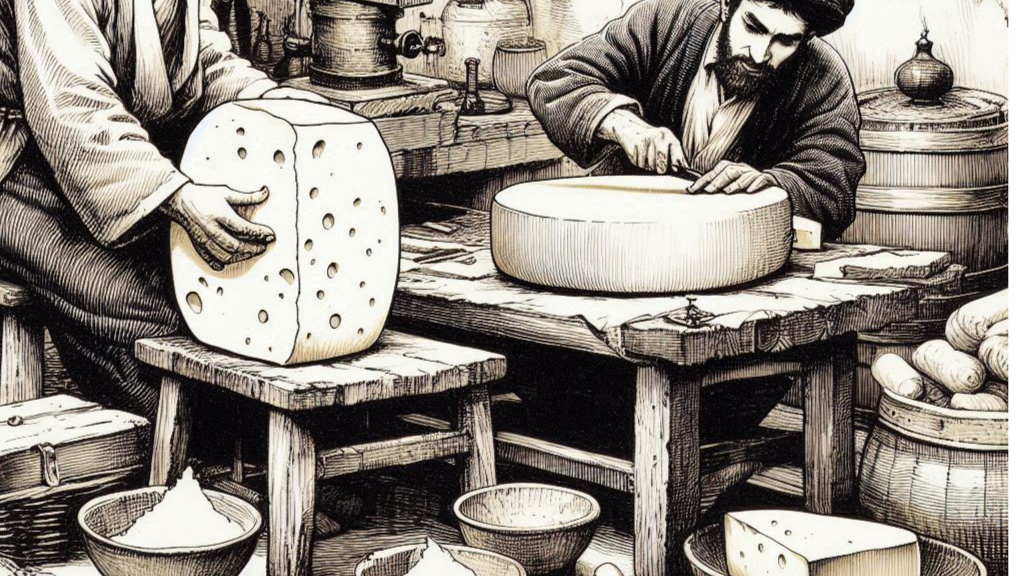
Ligvan cheese is a semi-hard, brined curd cheese, traditionally made from raw sheep’s milk without the use of starter cultures. This ancient method allows the natural bacteria from the local environment to shape its character. The process begins when milk is coagulated using rennet, and the resulting curds are packed into distinctive triangular cloth bags to drain. The cheese is then aged in a salt brine for three to twelve months, which gives it a unique, slightly sour and salty flavor, a firm yet crumbly texture, and its characteristic small, chickpea-sized holes. Reflecting the rich variety of its land, the artisans of Ligvan produce seven distinct types of this traditional cheese, each offering a unique expression of the region’s pastoral bounty.
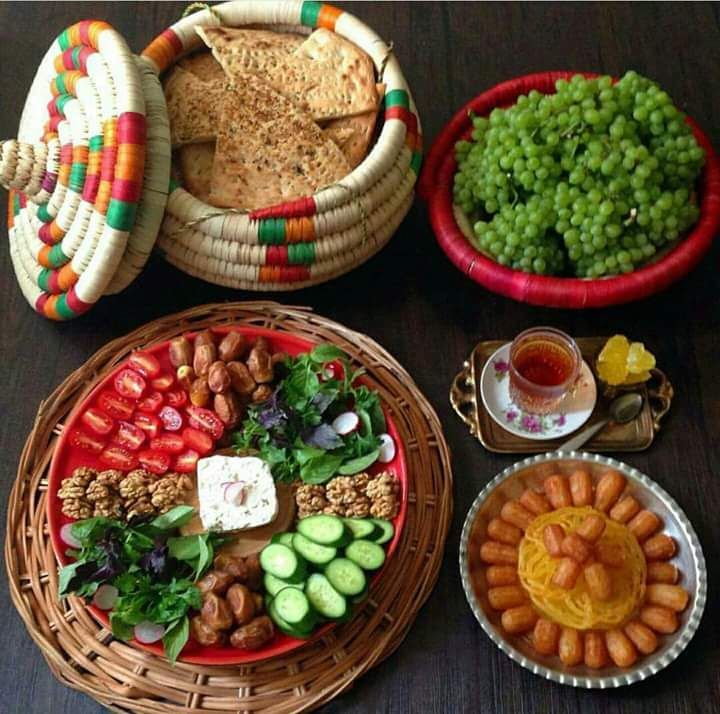
From the ancient dairies of the Achaemenid era to the sun-drenched pastures of Sahand, Ligvan cheese represents the culmination of Iran’s long love affair with dairy. It is more than just a food; it is a living piece of history, a testament to the skills passed down through generations. Enjoyed fresh with bread at breakfast or as part of a larger meal, it remains one of Iran’s most beloved and iconic artisan products, carrying the taste of its unique landscape to tables around the world.
---
This article was prepared by the Barali Ligvan Group and is published on Ligvan Cheese’s official website, lighvancheese.com. For the most authentic Ligvan cheese, visit baralis.ir.
Cheese
Traditional cheese
Old Iranian cheese
Ligvan
Ligvan cheese
Sheep cheese